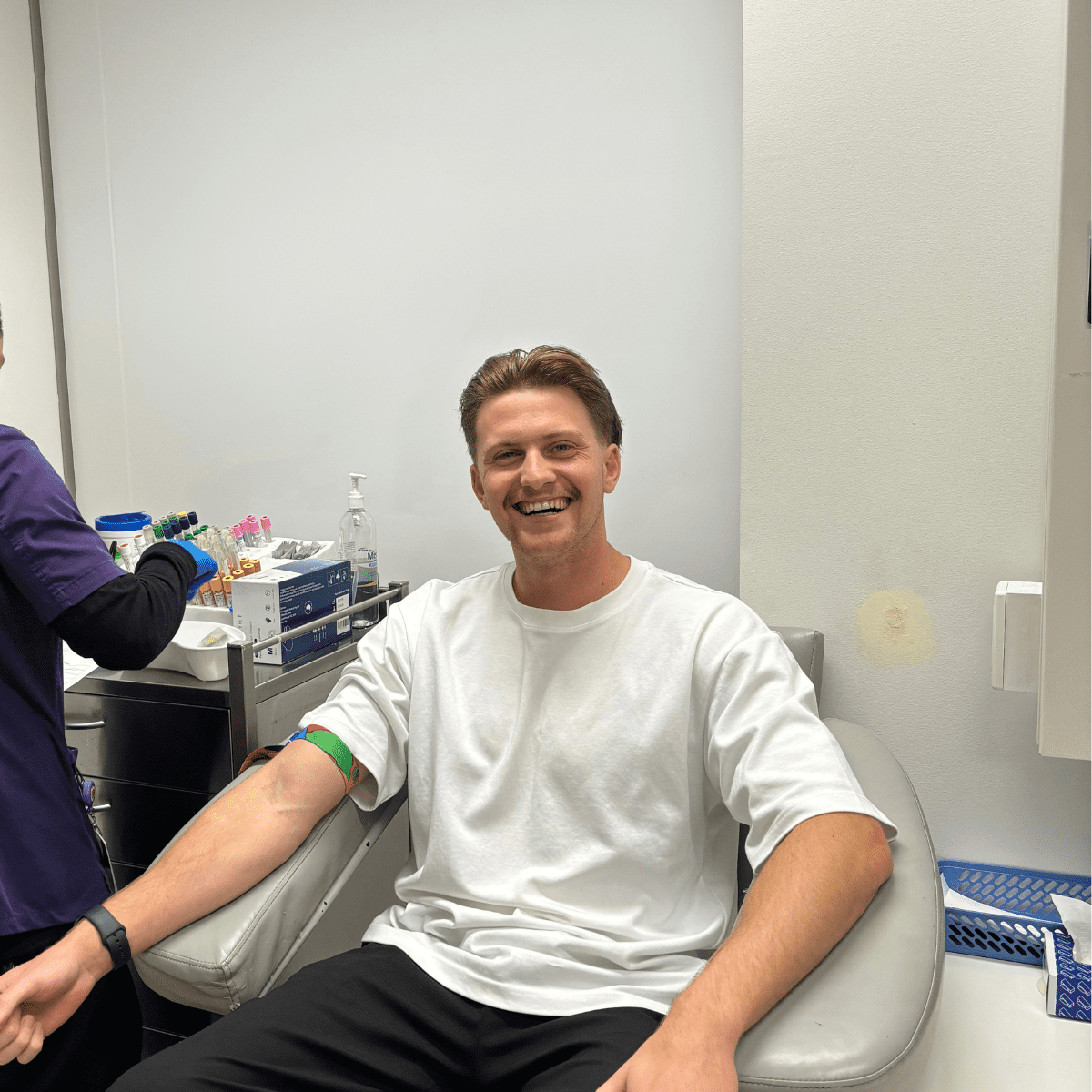
Skip the GP referral and the waiting room. Order any blood test online, walk in to one of 3,300+ collection centres, and get your results in 24 to 48 hours.
200+ blood tests available online
3,300+ collection centres across every state and territory
Results in 24–48 hours delivered to your inbox
Build a clear picture of your health and biomarkers
★★★★★
5.0 on Google
NATA accredited pathology
Our Lab Network
MediTests Categories SectionOver 200+ Blood Tests Available
Purchase Your Private Blood Test
Order grouped tests at a discounted price. Need additional tests? Add them as required.
Every biomarker clinically selected and reviewed by our team. Tap any one to understand what it measures and why it matters.
Cardiovascular disease is the leading cause of death in Australia. These markers go beyond a standard cholesterol check to assess your actual risk, including particle quality, vascular inflammation, and arterial health.
Each LDL, VLDL, and lipoprotein(a) particle carries one ApoB protein, so measuring ApoB directly counts the atherogenic particles in your blood. Many leading cardiologists now view ApoB as a more accurate cardiovascular risk marker than LDL cholesterol alone. View related tests
The primary carrier of cholesterol to cells, and a key driver of atherosclerosis when elevated. Modern guidelines focus on LDL particle number and quality, not just the concentration measured in a standard test. View related tests
Known as the "good" cholesterol because it carries excess cholesterol from the arteries back to the liver for processing. Higher HDL is associated with lower cardiovascular risk, while low HDL is a major independent risk factor. View related tests
All cholesterol not carried by HDL particles, which captures remnant cholesterol most likely to penetrate arterial walls. A stronger predictor of cardiovascular risk than LDL alone. View related tests
The combined measure of all cholesterol in your blood, including HDL, LDL, and VLDL. Provides a starting point for cardiovascular risk but only becomes meaningful when reviewed alongside the individual fractions. View related tests
Fats stored in the blood that the body uses for energy. Elevated triglycerides are strongly linked to metabolic dysfunction, insulin resistance, and cardiovascular disease, especially when combined with low HDL. View related tests
A genetically determined lipoprotein that is highly sticky and prone to depositing in arterial walls. Roughly 1 in 5 Australians carry elevated Lp(a) without knowing, and testing once in your lifetime is recommended by major cardiology guidelines. View related tests
Divides total cholesterol by HDL to produce a composite cardiovascular risk score. A ratio above 5 is considered elevated risk in Australian guidelines. View related tests
The balance between harmful and protective cholesterol, with ratios above 3.5 increasing cardiovascular risk. Tracking this over time shows how diet, exercise, and medication are shifting your risk profile. View related tests
A calculated ratio of triglycerides to HDL that predicts cardiovascular risk more accurately than either measure alone. Reflects the overall balance of atherogenic versus protective lipoprotein particles, and is strongly linked to insulin resistance. View related tests
An amino acid that damages arterial walls when elevated, and is a recognised independent risk factor for heart attack, stroke, and cognitive decline. Often driven by low B12, B6, or folate, and highly actionable with targeted supplementation. View related tests
A sensitive marker of systemic inflammation that independently predicts cardiovascular risk when elevated above 3 mg/L. Detects low-level chronic inflammation that standard CRP misses. View related tests
Insulin resistance develops silently for a decade or more before a diabetes diagnosis. These markers give you an early read on blood sugar regulation, insulin sensitivity, and metabolic function while lifestyle changes are still highly effective.
A 3-month average of blood sugar levels, and the gold standard for diagnosing and monitoring diabetes and pre-diabetes. Unlike fasting glucose, HbA1c is not affected by what you ate the day before. View related tests
Blood sugar level after an overnight fast, providing a snapshot of baseline glucose regulation. Results between 6.1 and 6.9 mmol/L indicate pre-diabetes, a critical window where intervention can prevent progression. View related tests
Measures the amount of insulin your body is producing to keep blood sugar in range. Elevated fasting insulin with normal glucose is the earliest sign of insulin resistance, often years before HbA1c becomes abnormal. View related tests
A waste product from purine metabolism that causes gout when elevated, and independently predicts metabolic syndrome and cardiovascular risk. High-fructose diets, alcohol, and red meat drive levels up. View related tests
A calculated marker derived from fasting triglycerides and fasting glucose, emerging as a highly accurate surrogate for insulin resistance. Strongly predictive of cardiovascular events and metabolic disease progression. View related tests
The primary screening test for thyroid function. High TSH indicates an underactive thyroid, while low TSH suggests an overactive one, though TSH alone misses the full picture without Free T3 and Free T4. View related tests
The main hormone produced by the thyroid, which the body converts into the active T3 form in tissues. Low Free T4 confirms hypothyroidism even when TSH is borderline. View related tests
The active form of thyroid hormone that binds to receptors throughout the body, four times more potent than T4. Some people convert T4 to T3 poorly, causing fatigue and brain fog that standard testing misses. View related tests
Chronic kidney disease affects roughly 1.8 million Australians, yet most are not aware of it. Kidneys do not cause pain until function is severely impaired, and these markers detect decline years before symptoms emerge.
The primary measure of kidney filtering capacity, calculated from creatinine and adjusted for age, sex, and body size. A falling eGFR over time is the clearest signal of progressive kidney disease. View related tests
A waste product from muscle metabolism that healthy kidneys filter efficiently. Elevated creatinine indicates reduced kidney function, though highly muscular individuals often have slightly higher levels without kidney disease. View related tests
A waste product of protein metabolism filtered by the kidneys. Elevated urea alongside high creatinine confirms kidney impairment, though it can also rise from dehydration or a high-protein diet. View related tests
A waste product that accumulates when kidney filtration declines, also linked to gout and metabolic syndrome. Increasingly viewed as a general marker of metabolic and renal health. View related tests
Your liver performs over 500 functions, from filtering toxins to producing proteins that regulate clotting and immunity. Liver enzymes are often the first signal of silent damage, well before symptoms appear.
The most liver-specific enzyme in a standard blood panel, released into the bloodstream when liver cells are damaged or inflamed. Elevated ALT is a primary indicator of fatty liver disease, hepatitis, and alcohol-related liver injury. View related tests
Found in the liver, heart, and muscles. When elevated alongside ALT, this points to liver injury, with the AST/ALT ratio providing additional clues about the underlying cause. View related tests
A sensitive marker for bile duct obstruction and alcohol-related liver damage. GGT is often the first enzyme to elevate in response to alcohol intake and can remain elevated for weeks after drinking stops. View related tests
The most abundant protein in blood plasma, produced almost entirely by the liver. Low albumin reflects reduced liver synthetic function and is a marker of chronic liver disease or significant inflammation. View related tests
An enzyme found in the liver, bile ducts, and bones, with elevations suggesting bile duct obstruction, liver disease, or bone disorders. When raised alongside other liver enzymes, it supports a diagnosis of cholestasis. View related tests
A yellow pigment produced by the breakdown of red blood cells, processed and excreted by the liver. Elevated bilirubin causes jaundice and can indicate liver disease, bile duct obstruction, or haemolysis. View related tests
Measures the total amount of albumin and globulin in the blood, reflecting liver synthesis and immune activity. Abnormal levels help distinguish between liver dysfunction, kidney disease, and immune disorders. View related tests
Men's health blood tests go beyond testosterone. These panels cover prostate health, hormonal balance, cardiovascular risk, and performance markers, with no referral and no judgement.
The total amount of testosterone circulating in the blood, including protein-bound and free fractions. Low total testosterone is associated with fatigue, poor recovery, reduced libido, and loss of muscle mass in men. View related tests
The biologically active fraction of testosterone that is available to exert effects on tissues. Someone can have normal total testosterone but low free testosterone due to high SHBG, which explains symptoms that standard tests miss. View related tests
A protein produced by the liver that binds to testosterone and estradiol, regulating how much of each hormone is biologically active. High SHBG lowers free testosterone availability, while low SHBG is linked to insulin resistance. View related tests
A calculated ratio of total testosterone to SHBG that estimates the proportion of bioavailable testosterone. Low FAI correlates with symptoms of androgen deficiency even when total testosterone appears within range. View related tests
An oestrogen that is essential in small amounts for male bone density, cardiovascular function, and libido. Too much causes water retention, mood changes, and gynaecomastia, particularly in men on TRT. View related tests
A protein produced by prostate tissue, with elevations indicating prostate cancer, benign prostatic hyperplasia, or prostatitis. PSA screening is recommended annually from age 50, or from 40 for men with a family history. View related tests
In men, chronically elevated prolactin suppresses testosterone production and causes low libido, erectile dysfunction, and infertility. Often missed because it is not included in standard hormone panels. View related tests
Produced by the adrenal glands as a precursor the body converts into testosterone and oestrogen. Low DHEA-S is associated with fatigue, low libido, and reduced resilience to stress. View related tests
Released by the pituitary gland to trigger testosterone production in men. Elevated LH with low testosterone points to a testicular issue, while low LH alongside low testosterone suggests a pituitary or hypothalamic problem. View related tests
Stimulates sperm production in men, with elevated FSH signalling impaired spermatogenesis. Best interpreted alongside LH and testosterone for a complete reproductive picture. View related tests
Women's hormonal health is dynamic, cycling monthly, shifting through perimenopause, and intersecting with thyroid, adrenal, and metabolic function in ways a single test visit rarely captures. These panels give the full picture at any stage of life.
The primary oestrogen, critical for bone health, cardiovascular function, and reproductive health. Levels track with the menstrual cycle in women and drop sharply at menopause. View related tests
The hormone that rises after ovulation and sustains a pregnancy in early stages. Low progesterone in the luteal phase indicates anovulation and is a recognised cause of cycle irregularities, PMS, and heavy periods. View related tests
Women produce testosterone too, and both low and high levels drive symptoms ranging from low energy and libido to PCOS-related changes. Best interpreted alongside SHBG and free testosterone. View related tests
Regulates how much testosterone and oestradiol are biologically active in the body. Low SHBG is associated with insulin resistance and PCOS in women. View related tests
An adrenal precursor hormone that the body converts into testosterone and oestrogen. Elevated levels in women may indicate adrenal tumours or PCOS, while low levels are linked to fatigue. View related tests
Elevated prolactin in non-pregnant women suppresses ovulation and is a common cause of irregular or absent periods, infertility, and unexplained nipple discharge. May be driven by a pituitary adenoma or hypothyroidism. View related tests
The LH surge triggers ovulation in women, and it is tracked closely in fertility assessments. Elevated LH alongside low FSH can suggest PCOS. View related tests
Stimulates follicle development in women, with high FSH indicating diminished ovarian reserve. A key marker assessed before IVF and in perimenopause. View related tests
The best available blood test for assessing ovarian reserve, or how many eggs remain. AMH is reliable at any point in the month and relevant for anyone planning a future pregnancy or considering egg freezing. View related tests
A precursor to cortisol and androgens produced in the adrenal glands. Elevated 17-OHP is a marker for congenital adrenal hyperplasia and is used to investigate PCOS. View related tests
A full blood count with differential gives a detailed breakdown of all blood cell types, the foundation of immune and haematological health assessment. Patterns across these cells reveal infections, anaemia, autoimmune activity, and more.
The most comprehensive single blood test available, measuring red blood cells, haemoglobin, haematocrit, white blood cells, and platelets. Screens for anaemia, infections, bleeding disorders, and immune deficiencies. View related tests
The protein in red blood cells that carries oxygen around the body. Low haemoglobin causes fatigue and breathlessness, and is the defining feature of anaemia. View related tests
The total number of immune cells circulating in the blood, raised during infection and suppressed by certain medications or immune disorders. Broken down into neutrophils, lymphocytes, monocytes, eosinophils, and basophils for more detail. View related tests
Small cell fragments that form clots to stop bleeding. Low platelets increase bleeding risk, while high levels raise the risk of clotting disorders. View related tests
A ratio derived from the FBC that has emerged as a powerful systemic inflammation and immune stress marker. A rising NLR over successive tests is a red flag worth investigating. View related tests
The main iron storage protein in the body and a far more sensitive marker of iron status than serum iron alone. Low ferritin causes fatigue, hair loss, and poor exercise performance even when haemoglobin is still within range. View related tests
A panel that reveals circulating iron, total transport capacity, and transport saturation. Used alongside ferritin to diagnose iron deficiency anaemia, iron overload, and anaemia of chronic disease. View related tests
Measures immature red blood cells, reflecting how actively your bone marrow is producing new cells. High counts suggest active red cell production, while low counts can indicate bone marrow suppression. View related tests
Even people who eat well can carry significant nutrient deficiencies, driven by absorption issues, genetic variations, restrictive diets, or increased demand from training and stress. Supplementing without testing is guesswork.
The storage form of vitamin D and the most accurate way to assess your body's vitamin D status. Roughly 1 in 4 Australians are deficient, with low levels linked to bone issues, low mood, and increased infection risk. View related tests
Critical for nerve function, red blood cell production, and DNA synthesis. Deficiency is widespread among vegans, older adults, and people on metformin, and can cause irreversible nerve damage if left untreated. View related tests
A B vitamin essential for DNA synthesis, cell division, and red blood cell production. Low folate causes anaemia and is a major risk factor for neural tube defects in pregnancy. View related tests
Involved in over 300 enzymatic reactions including energy production, muscle function, and sleep regulation. Deficiency is extremely common, with symptoms that include poor sleep, muscle cramps, anxiety, and migraines. View related tests
An essential mineral for immune function, wound healing, testosterone production, and taste perception. Deficiency is common in vegetarians and older adults, and causes reduced immunity, hair loss, and low libido. View related tests
The biologically active form of B12 (holotranscobalamin) that your body can actually use. A more sensitive marker of functional B12 status than total serum B12, particularly useful when standard results are borderline. View related tests
An amino acid that rises when B12, B6, or folate are low, and damages arterial walls at elevated levels. Acts as a functional marker of methylation status and B vitamin adequacy. View related tests
Electrolytes regulate nerve signalling, muscle contraction, hydration, and blood pressure. Imbalances cause symptoms ranging from fatigue and muscle cramps to dangerous cardiac arrhythmias, and are critical to monitor for anyone on blood pressure medication or diuretics.
The main electrolyte regulating fluid balance and blood pressure in the body. Abnormal sodium levels can reflect dehydration, kidney dysfunction, hormonal disorders, or medication side effects. View related tests
Essential for heart rhythm, muscle contraction, and nerve signalling. Both low and high potassium can cause life-threatening cardiac arrhythmias, making this a critical monitoring marker. View related tests
Works alongside sodium to regulate fluid balance and acid-base status. Abnormal chloride helps identify kidney disease, adrenal disorders, or acid-base imbalances. View related tests
Reflects the body's acid-base balance, which the kidneys and lungs work together to maintain. Abnormal levels indicate metabolic acidosis or alkalosis and can signal kidney or respiratory issues. View related tests
Essential for bone health, muscle contraction, nerve function, and blood clotting. Abnormal calcium can reflect parathyroid disorders, vitamin D deficiency, kidney disease, or certain cancers. View related tests
Works closely with calcium for bone health and energy metabolism. Abnormal phosphate levels can indicate kidney disease, parathyroid disorders, or nutritional deficiencies. View related tests
Chronic low-grade inflammation drives nearly every major disease, from cardiovascular disease to cancer to neurodegeneration. Most people carrying elevated inflammatory markers have no obvious symptoms, and these tests quantify the fire before it causes damage.
A protein produced by the liver that rises rapidly in response to infection, injury, or inflammation. Useful for detecting active inflammation, though less sensitive for chronic low-grade inflammation than hs-CRP. View related tests
Detects low-level chronic inflammation that standard CRP misses. Elevated hs-CRP above 3 mg/L independently predicts cardiovascular risk and is associated with metabolic syndrome and accelerated ageing. View related tests
Measures how quickly red blood cells settle in a tube, serving as a proxy for inflammatory proteins in the blood. A non-specific but useful general inflammation marker, elevated in autoimmune conditions, infections, and malignancies. View related tests
A composite index calculated from platelet, neutrophil, and lymphocyte counts, increasingly recognised as a powerful predictor of mortality and disease prognosis. Reflects the balance of immune activity rather than a single acute-phase response. View related tests
Beyond iron storage, ferritin also rises with inflammation as an acute-phase reactant. Very high ferritin without iron overload can indicate ongoing chronic inflammation or autoimmune activity. View related tests
See it in action
Watch our team walk you through the full process
Watch our team show you exactly how MediTests works from start to finish.
No GP referral or consult required
Choose from 3,300+ testing locations Australia wide
Original lab report from a NATA accredited laboratory
All pricing includes referral, testing and results. No hidden fees.
TestosteroneCortisolHbA1cThyroidFull Blood CountIron StudiesKidney Function+ 58 more
Most Comprehensive Annual Check
The annual check that covers everything.
Most Australians stop at cholesterol and a quick chat with their GP. The 365 Health Check is built for people who want the full picture. Organ function, thyroid, hormones, metabolic health, nutrients, inflammation. Take it once a year and you have a complete record of where your health actually sits.
65+ biomarkers in one panelLiver, kidney, thyroid, hormones, cholesterol, blood sugar, iron studies and key vitamins. No add-ons. No second visits.
Built for year-on-year trackingTake it on the same date each year. Spot trends before they become diagnoses and see exactly how your lifestyle changes are landing.
Catch issues before they become problemsMost things develop silently for years before you feel them. The 365 panel flags early signs of prediabetes, thyroid imbalance, hormone shifts and chronic inflammation while there's still time to act.
No GP. No appointment needed.Order online, take your PDF referral to any of 3,300+ collection centres. Results in 24-48 hours.
We believe every Australian deserves to understand their own health.
Founded in Perth, 2023
Born in Perth, Western Australia, MediTests was created to make clinical-grade pathology simple and accessible for every Australian.
Clinically Designed Panels
Our blood panels are carefully designed by our clinical governance team of doctors, ensuring every test gives you meaningful insights and real clarity.
Real Insights, Real Clarity
Test your hormones, uncover what is happening beneath the surface, and track your health in one convenient process built around you.
Join 5,000+ Australians taking a proactive approach to their health
Order online, walk in to one of 3,300+ collection centres, and get results in 24 to 48 hours.
12 yearsaverage time Australians live in poor health due to preventable conditions
24-48hraverage turnaround for verified results through MediTests
Your questions answered
Common Questions
Everything you need to know before you order.
No. MediTests is a private, self-request blood testing service. Our tests are not covered by Medicare or private health insurance.
You pay a once-off fee online with no hidden costs, making the process simple and transparent.
No. The price you see on our website is the final cost. There are no additional fees, consultation costs, or lab charges.
Once you order, you'll receive your referral form instantly. Bring it to any of our 3,300+ NATA accredited collection centres Australia-wide, making MediTests one of the most accessible testing services in Australia.
You'll receive your results by email in a secure PDF format. This is the full original lab report delivered straight to your inbox, including every marker tested.
We'll notify you as soon as they're available so you can access them privately and conveniently.
If anything unusual shows up in your results, our team will review them. In some cases, one of our doctors may get in touch to offer guidance or recommend follow-up with your GP for further support.
We don't offer any interpretation of test results as this requires a detailed medical history. We highly recommend bringing your results to your regular GP or health practitioner for any follow-up.